What Should Every Dog Walking Website Include?
Starting a dog walking business is exciting. Whether you're just beginning or looking to grow, a professional website can help you attract new clients, build trust and make it easier for people to get in touch.
The good news? You don't need a huge website packed with pages and fancy features. In fact, the best dog walking websites are often the simplest.
Here's what every dog walking website should include.
1. A Welcoming Homepage
Your homepage is often the first impression someone has of your business.
Within a few seconds, visitors should know:
Who you are
What you do
Where you work
How to contact you
If people have to stop and work out what you do, there’s a good chance they’ll leave.
Try to avoid clever slogans that don’t explain your business. Instead, keep it simple.
For example:
Friendly and reliable dog walking services in Shrewsbury, helping busy owners keep their dogs happy, healthy and exercised.
If people immediately understand what you do, you’re off to a great start.
2. Help People Feel Confident Choosing You
Choosing a dog walker is a big decision.
After all, people aren't just handing over a lead. They're trusting you with a much-loved member of the family.
A little personality goes a long way here. People buy from people they trust.
A short introduction, a friendly photo and a few details about your experience can help visitors feel confident they're making the right choice.
Include:
A little about you
Any qualifications or insurance
The areas you cover
Why you love working with dogs
Keep it warm, honest and easy to read. There's no need for a life story — just enough to help people feel they're in safe hands.
3. Make Your Services Easy to Understand
Visitors shouldn’t have to guess what you offer.
Clearly explain your services, such as:
Solo walks
Group walks
Puppy visits
Pet sitting
Whether it’s all on one page or split across a few, make it quick and easy to find.
Nobody wants to go on a treasure hunt just to find out if you offer puppy visits.
4. Show Reviews From Happy Clients
Think about the last time you booked something online. Chances are, you looked at the reviews first. Your customers are no different.
A few kind words from happy dog owners can reassure new customers that they’re making the right choice.
If you’re just starting out, that’s okay. Focus on doing a brilliant job, then ask your first clients if they’d be happy to leave a review.
Simple, genuine reviews are often more powerful than any fancy marketing copy.
5. Use Real Photos
Real photos help people connect with your business.
Show yourself, the dogs you walk and the places you visit.
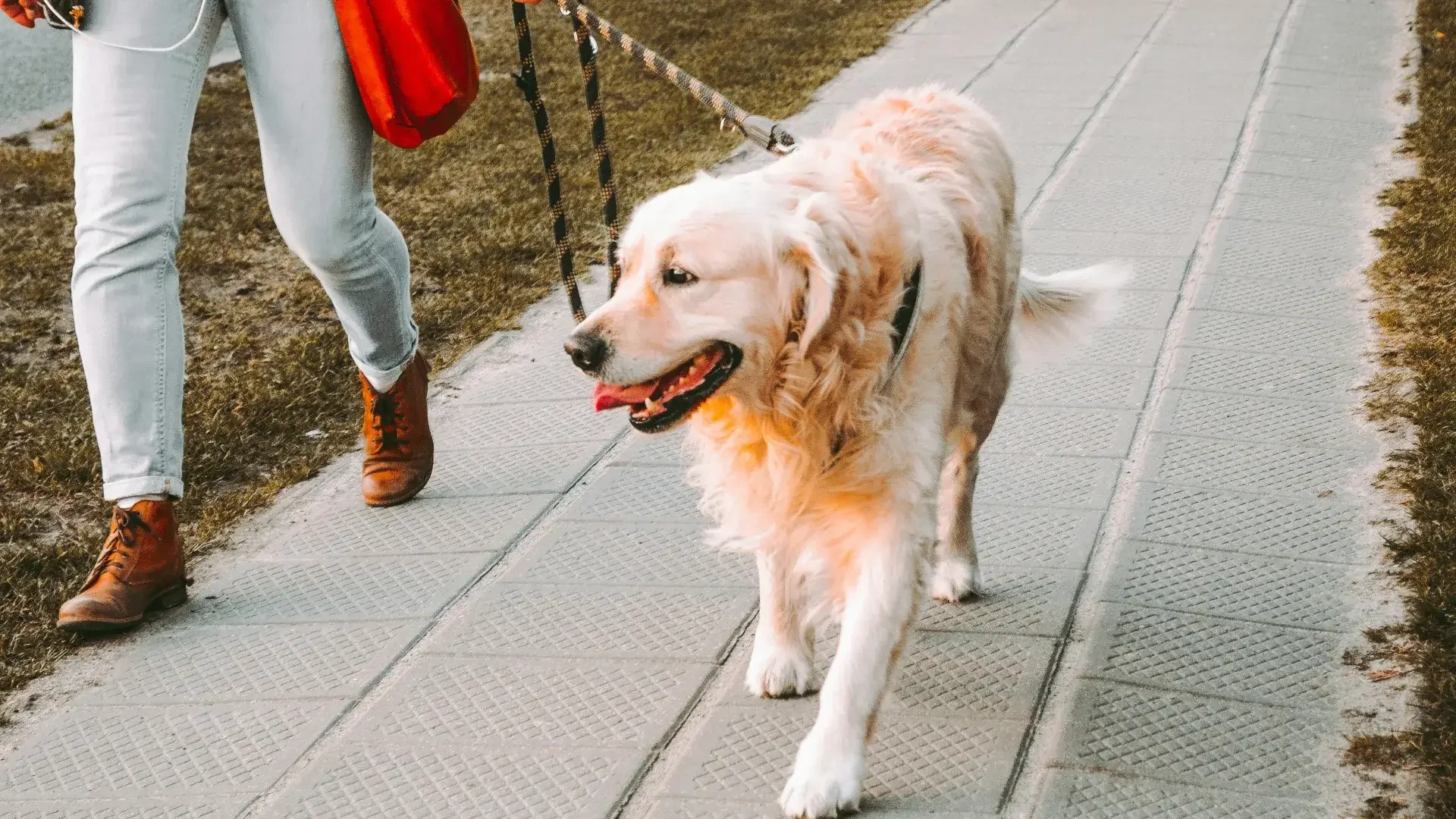
Don’t worry about taking perfect photos. A natural photo of a happy dog on a muddy walk will usually feel more trustworthy than a polished stock image of a suspiciously clean golden retriever.
6. Make It Easy to Contact You
When someone decides to get in touch, don’t make them search.
Include:
Contact form
Phone number
Email address
The easier it is to contact you, the more enquiries you’re likely to receive.
Simple wins.
7. Answer Common Questions
Think about the questions people ask before booking.
For example:
Which areas do you cover?
Are you insured?
How many dogs do you walk at once?
What happens if it rains?
Answering these on your website helps people feel more confident before they contact you.
It also saves you from answering the same question 47 times.
Final Thoughts
Your website doesn't need to be complicated.
Keep it clear, friendly and easy to use.
Show people who you are, explain how you can help and make it simple for them to take the next step.
That’s what turns a website from “just a few pages online” into something that actually helps your business grow.
Need a Hand With Your Website?
Building a website can feel overwhelming, especially when you’re busy running your business.
If you'd rather spend your time running your business than building a website, I’d love to help. At Roamwild Studio, I design thoughtful websites that are easy to use and built around your business.
Every website also helps give something back, with 10% of each project donated to wildlife conservation charities.